
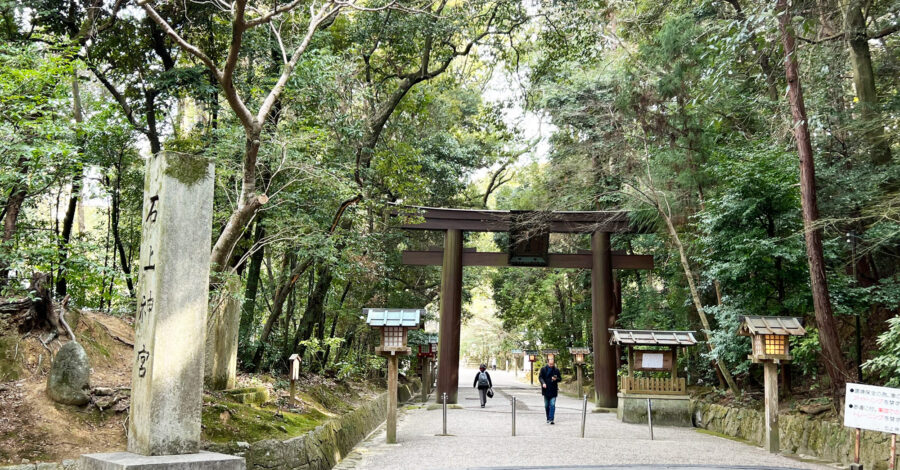
This is a report on the Japanese Cultural Tourism Program Centered on Kendo (Tenri University 100th Anniversary Commemorative Project), held from Thursday, February 19 to Monday, February 23, 2026.
Day 2 Morning: Lecture “Japanese Mythology and Kendo”
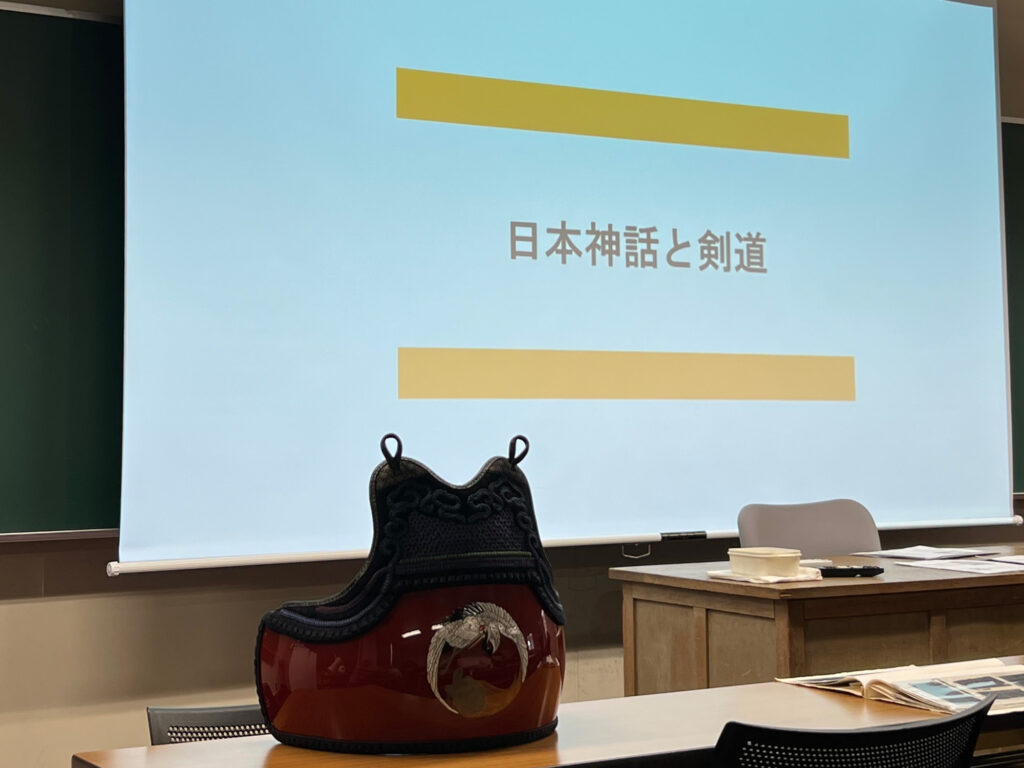
The morning of the second day began with a lecture titled “Japanese Mythology and Kendo.”
At first, you might wonder: What does mythology have to do with Kendo?
Through this lecture, however, we learned that the two are in fact deeply connected.
==========
Most mythologies around the world have little continuity with history.
Japan, however, is unique in that its history is connected to its mythology.
— Claude Lévi-Strauss, cultural anthropologist
==========
For the Japanese people, mythology can be seen as a reflection of the spiritual world of ancient times.
Within that worldview, the sword was regarded as something deeply sacred, connecting human beings with the gods.
The Sword Plays an Important Role in Japanese Mythology
Swords appear frequently in Japanese mythology and play important roles at crucial moments in its stories.
What did the sword mean to the people of ancient Japan, and what ideas and beliefs did they associate with it?
It appears that ancient Japanese people believed the sword possessed three fundamental powers:
- The power to bring forth new life
- The power to destroy or ward off evil
- The power to connect heaven and earth, and gods and humans
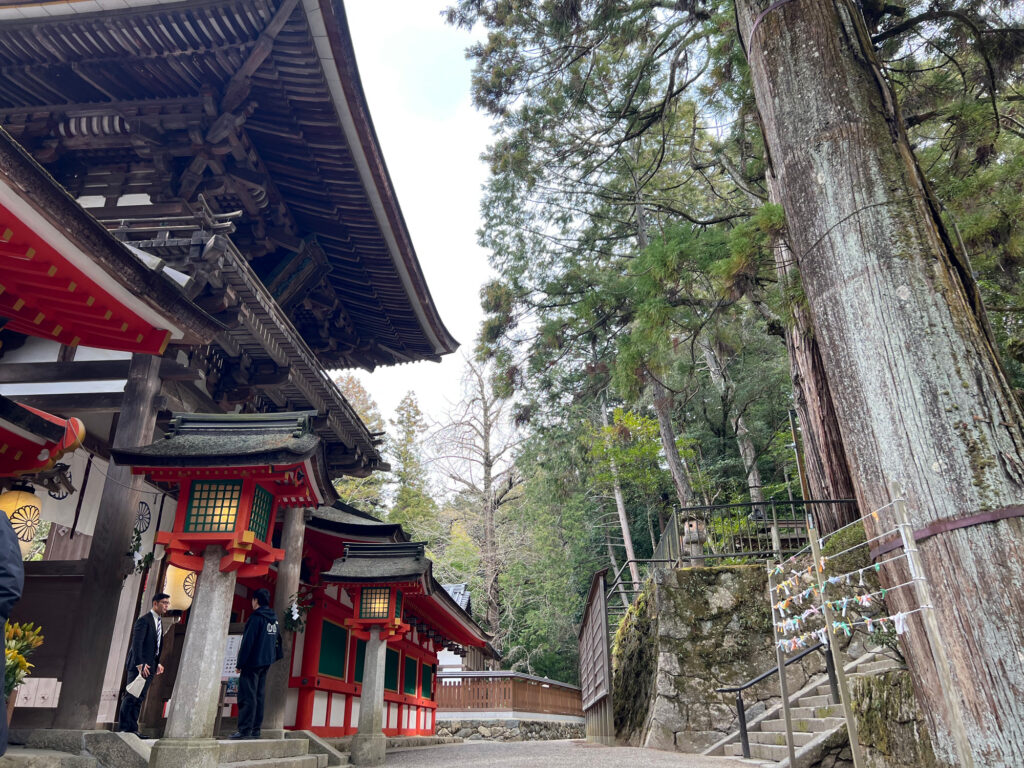
The Philosophy of the Sword ① The Power to Bring Forth New Life
In the story of Izanagi and Izanami, the husband-and-wife deities who created Japan, they stood upon the Floating Bridge of Heaven (Ame-no-ukihashi) and thrust the Heavenly Jeweled Spear (Ame-no-nuboko) into the chaotic world below. They stirred it with the spear, and from this act, the islands of Japan were born.
Later, Izanami suffered severe burns while giving birth to Kagutsuchi, the god of fire, and died from her injuries.
Overcome with grief, her husband Izanagi cut Kagutsuchi down with his sword. From the blood that scattered from the blade, various deities were born.
The Philosophy of the Sword ② The Power to Destroy or Ward Off Evil
The sacred sword cutting down the destructive fire deity who had caused Izanami’s death can be understood as an expression of the sword’s power to ward off evil.
This same function can also be seen in the myth of Yamata no Orochi and the legend of Emperor Jimmu’s eastern expedition, in which a sacred sword saves Emperor Jimmu when he is brought to the brink of death by the poisonous influence of hostile deities and helps overcome those evil forces.
The Philosophy of the Sword ③ The Power to Connect Heaven and Earth, Gods and Humans
It was believed that even though heaven and earth, or gods and humans, were separated, the sword alone could pass between the two realms and serve as a link between them.
For this reason, swords were used as sacred ritual objects.
This also helps explain why a sword is included among the Three Sacred Treasures of Japan. It shows that from ancient times, the sword has held a sacred place in Japanese culture and spirituality.
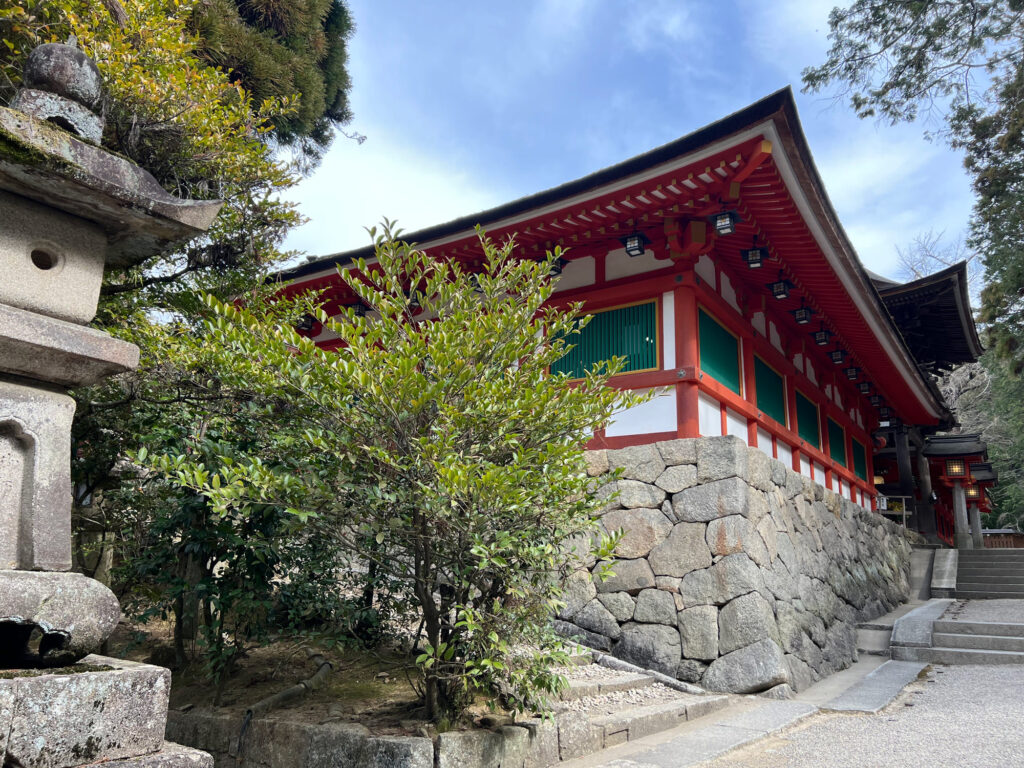
Day 2, Late Morning to Noon: Visit to Isonokami Jingu Shrine
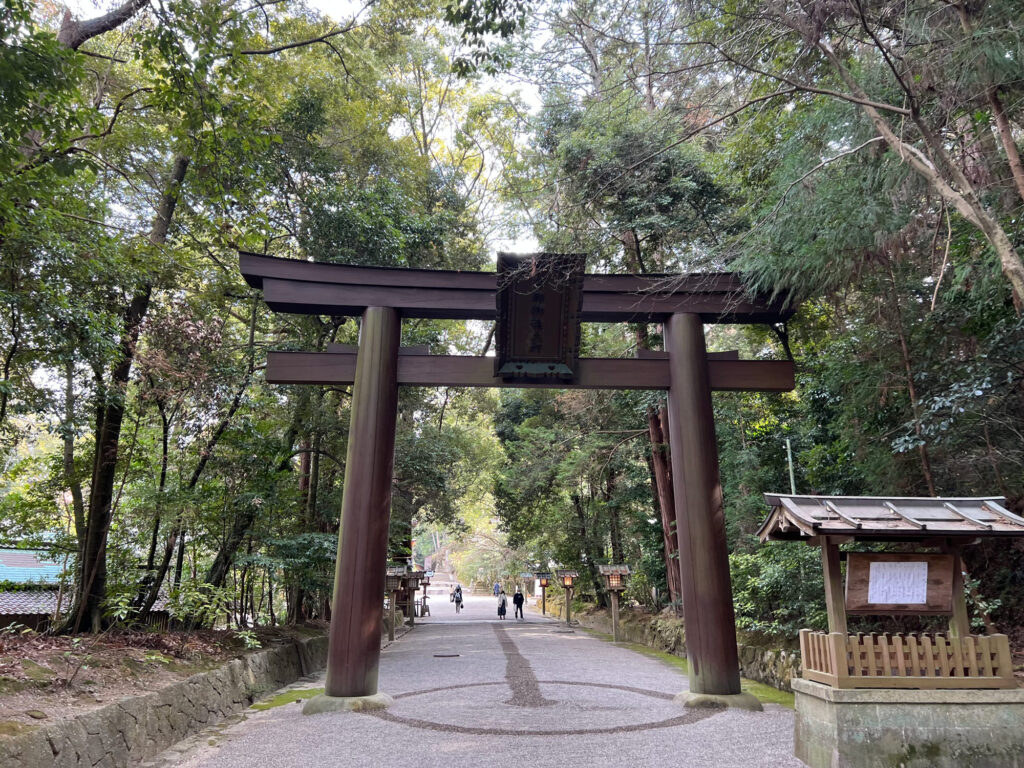
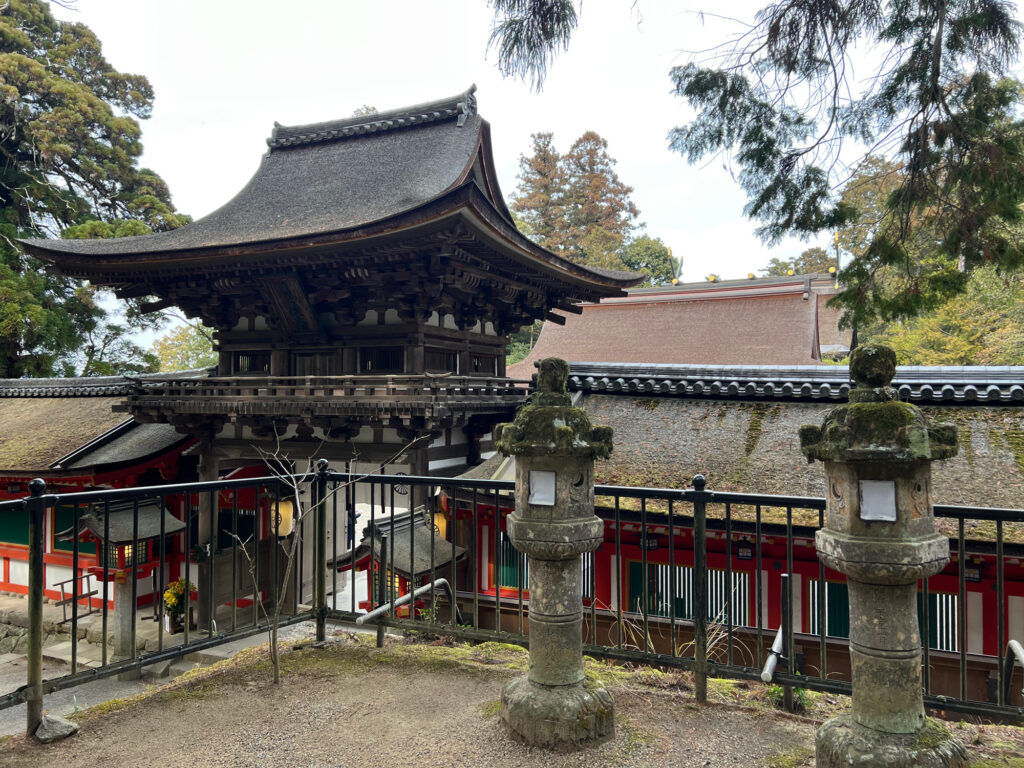
From late morning to around noon, we visited Isonokami Jingu Shrine, which had also been introduced during the morning lecture. Sacred swords are actually enshrined at the shrine.
The air was crisp and clear, and we spent a wonderfully refreshing and peaceful time there.
Personally, I have always been deeply drawn to these stories from Japanese mythology.
When I was living in Europe, no matter how kind the people around me were or how fortunate I was in the people I met, there were times when I still felt that somehow, I was different. It was difficult to put into words, but at times it felt like an overwhelming sense of loneliness.
During those moments, one of the things that gave me comfort was a tangible sense of being Japanese.
Wherever I was in the world, Kendo remained fundamentally the same. And when I thought about how the sword had been connected to the spiritual world of the Japanese people since ancient times, I felt that perhaps this sense of continuity had become something I could hold on to, something that gave me a sense of where I belonged.
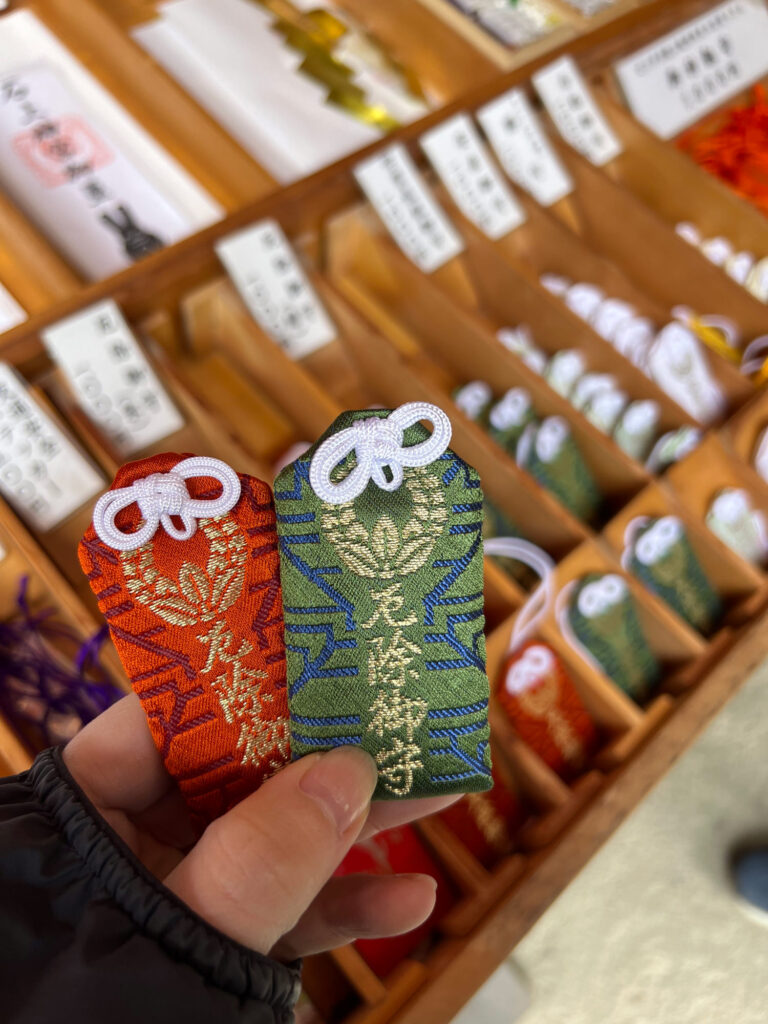
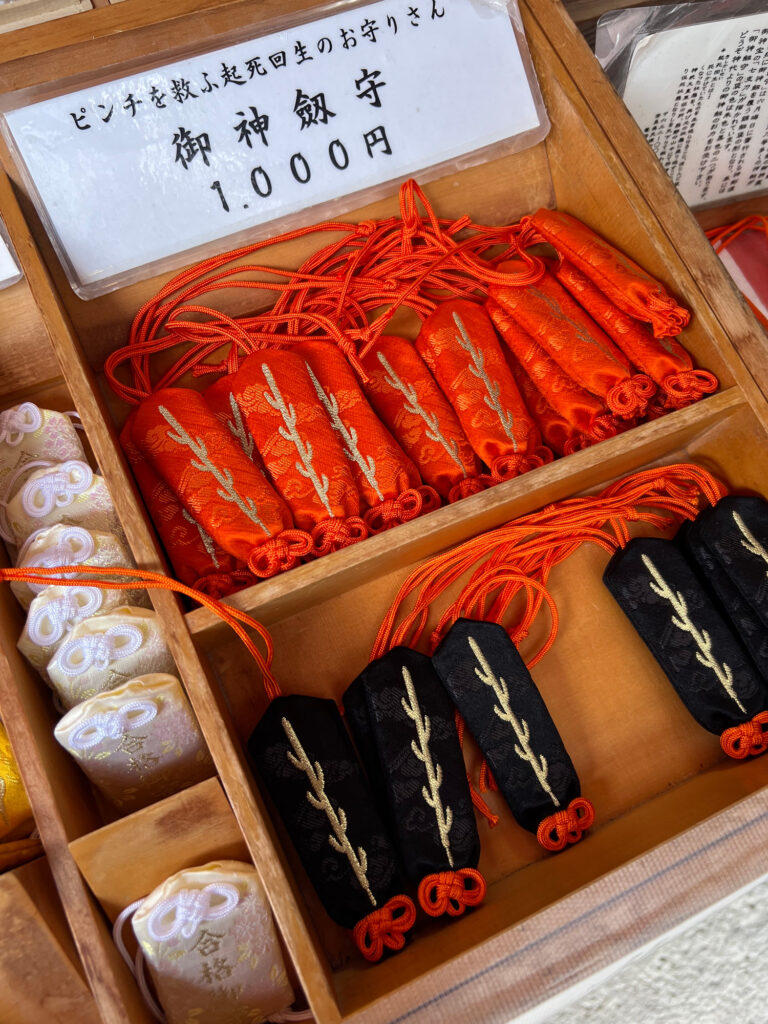
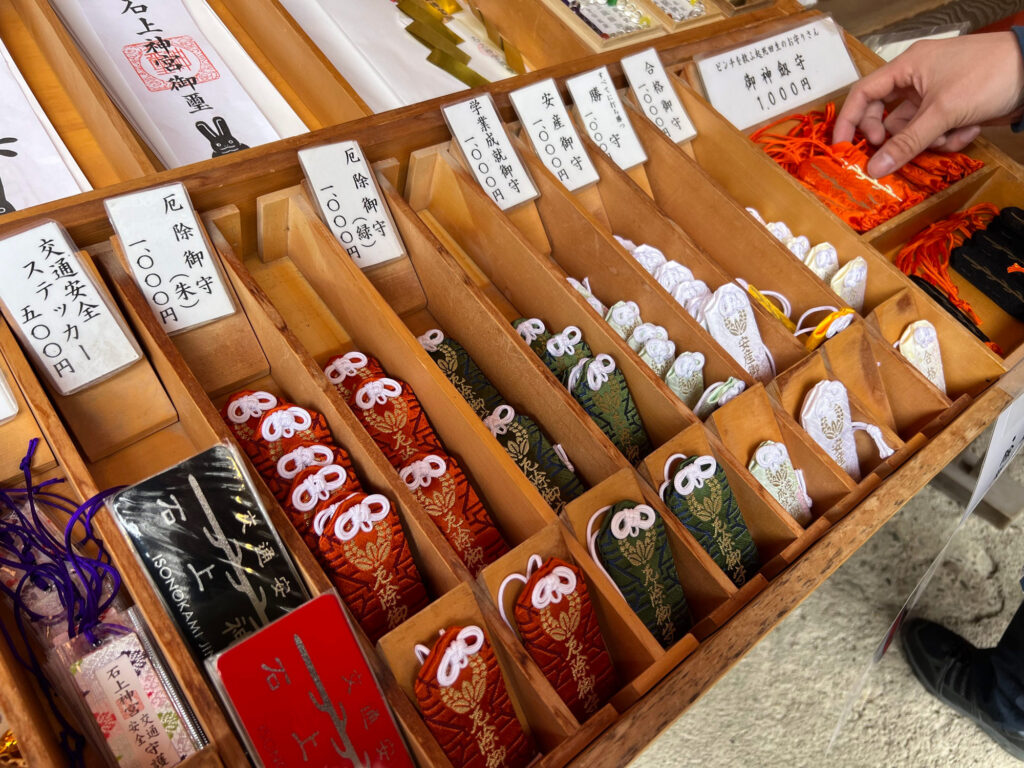
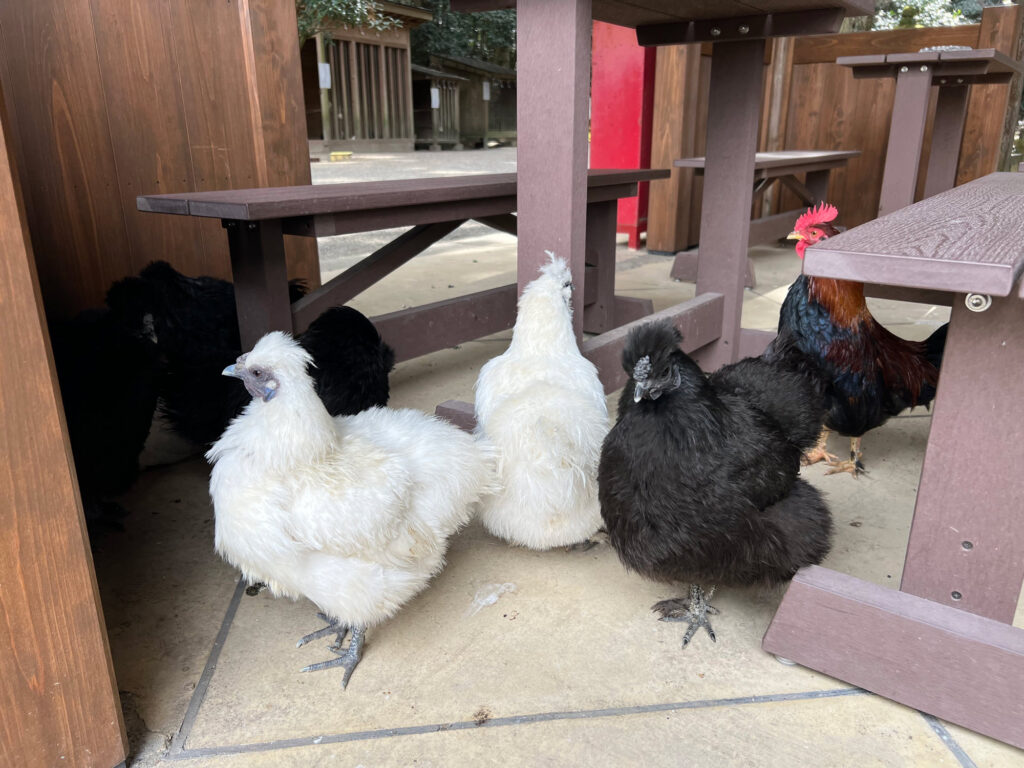
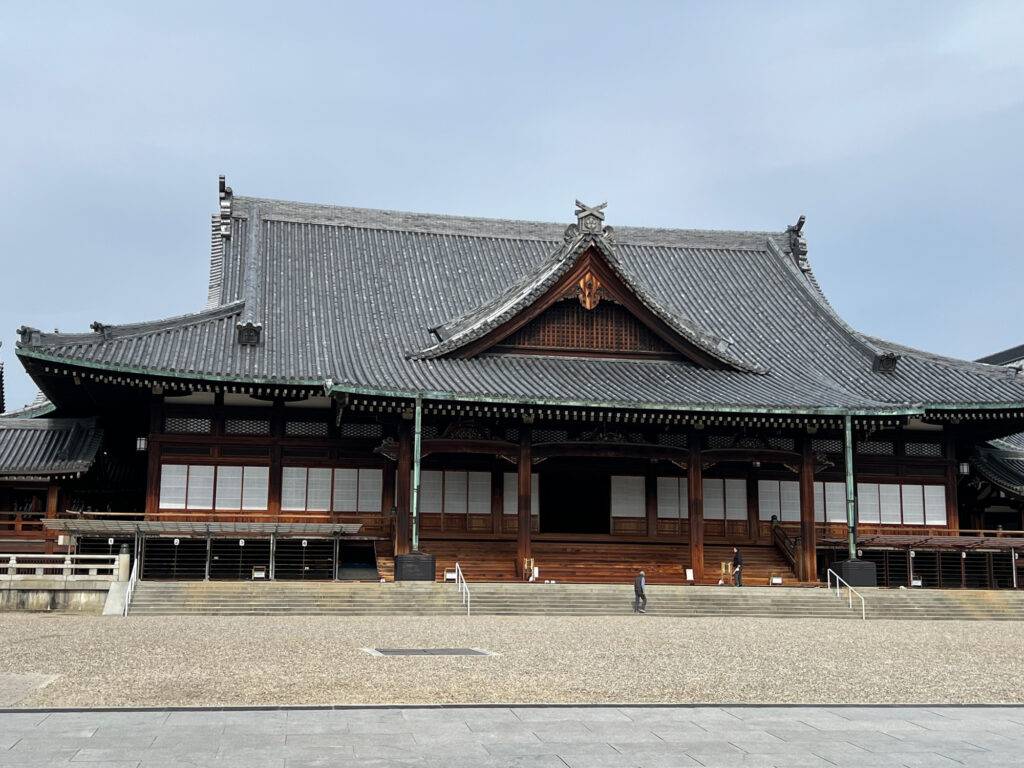
Afterwards, we also visited the headquarters of Tenrikyo. The scale and grandeur of the buildings were truly impressive.
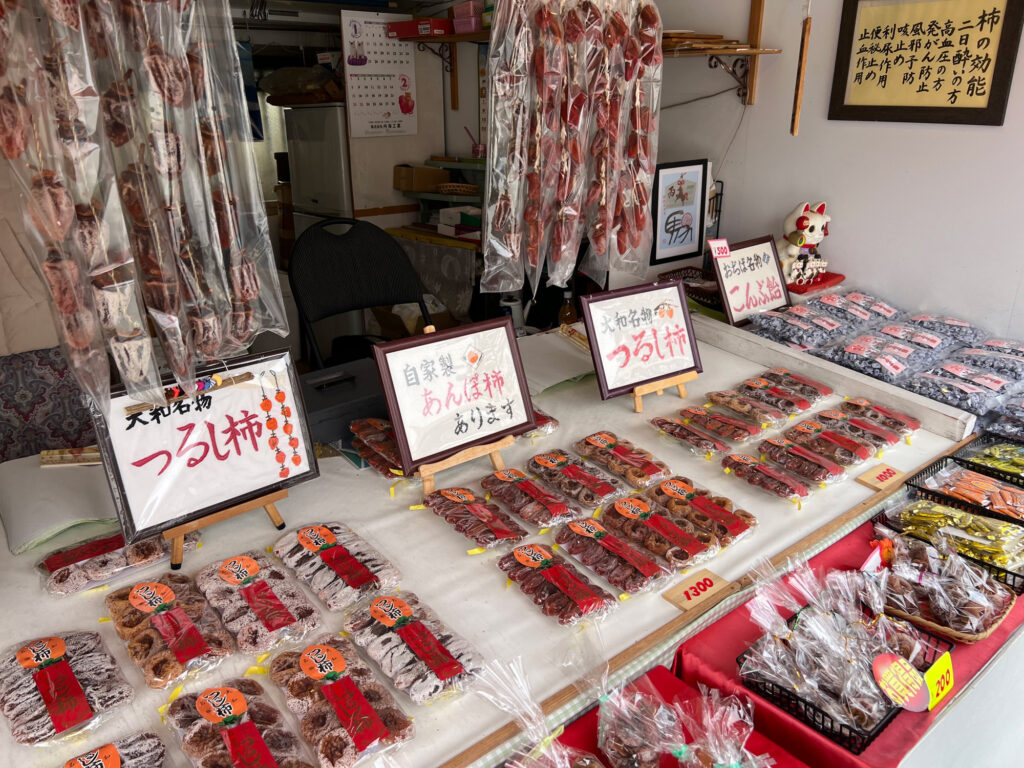
There was also a stall selling anpo-gaki (semi-dried persimmons).
Recommended Books
For those who would like to learn more about the history and philosophy of Japanese swords and the history of Kendo in Japan, we recommend the following books. Both were written by Professor Toshinobu Sakai of the University of Tsukuba.
- Ideology of the sword: a spiritual history of Japanese culture
- The History of Japanese Kendo – With English Translation
Leave a Comment